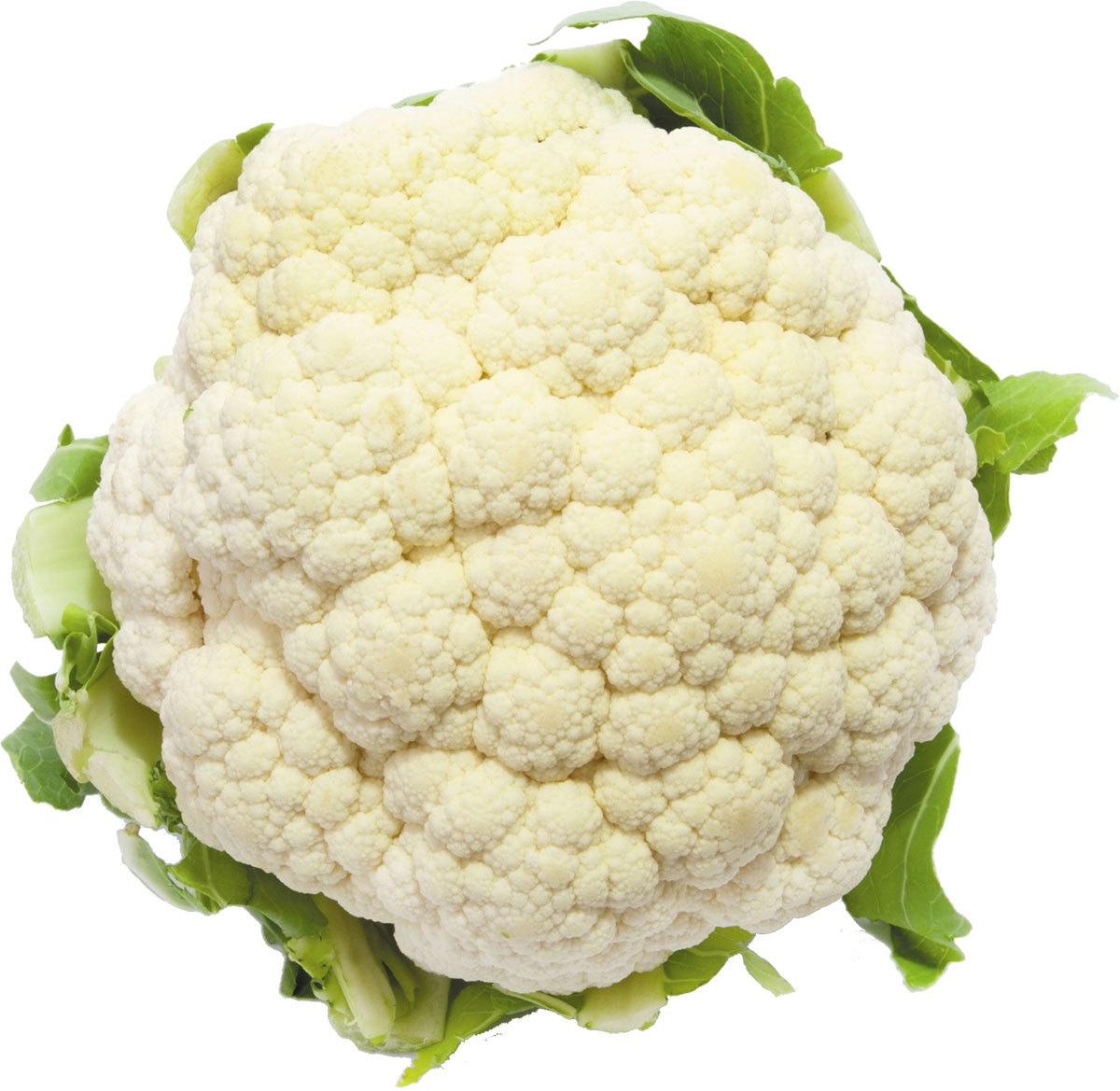
Last night I made roasted cauliflower soup. I used onion, garlic, cauliflower, vegetable stock, and butter to make this soup. After exploring the What's on my Food website I found that cauliflower has 15 pesticide residues, 6 of which are neurotoxins and 5 of which are suspected hormone disruptors. I couldn't find any information on garlic or onion. The most commonly found pesticides on cauliflower are Imidacloprid, Deltamethrin, and DCPA the first two of which are also toxic to honeybees.
I was definitely surprised to find so many pesticide residues on a vegetable I regularly eat. I always rinse my fruits and vegetables before eating them, however, I know that pesticide residues can still remain on them even after washing. According to the Consumer Reports website on pesticides in produce, washing fruits and vegetables in regular water is just as effective as washing them in special fruit and veggie washes or dish soap and water.
There is an urgent need for a chemical policy reform. Looking through these websites and seeing how many pesticides are on the foods we eat is troubling. We need to find alternatives to these harmful chemicals and slowly but surely move towards eliminating or banning all highly toxic chemicals that are persistent in the environment and in organisms. In addition, testing should be required for all newly released chemicals with no exception.

Hi Syria,
ReplyDeleteThank you for sharing your through and I agree with your suggestions include policy reform, alternatives for harmful chemicals and banning all highly toxics chemicals. I would only suggest that all industries should provide a detail information and data about new chemicals before to use and sold to the market and proof that their new chemicals are not harmful to the human, wildlife, and environment health.
Thank you,
Sayed